BMX History
BMX Magazines
BMX magazines are the print and online publications, from BMX Action and Freestylin' to Ride BMX and Dig, that have documented BMX riding since the 1970s.
Updated 5 min read1,120 words
BMX magazines are the print and online publications that have covered BMX racing and freestyle since the mid 1970s. Titles such as BMX Action, BMX Plus!, Freestylin', Ride BMX, Snap and Dig shaped how riders saw the sport, which riders became famous and which products sold. From the 2000s most coverage moved online, but magazines remain a key historical record.
Why magazines mattered
For the first three decades of BMX, print was the main way news travelled. Riders in small towns learned about new tricks, frames and contests from photos and interviews. Brands relied on magazine advertising to sell bikes. A cover shot or a long interview could make a rider's name, and the magazine's photographers and editors effectively decided what looked good. From the 1990s, video magazines such as Props added moving footage, and in the 2000s websites and web edits took over.
Racing era: BMX Action and BMX Plus!
BMX Action
The first dedicated title is generally credited as Bicycle Motocross Action, launched around 1976 in southern California with Bob Osborn as publisher and editor. It was later renamed BMX Action and published by Wizard Publications. It covered racing first, in the years described in origins of BMX, and then gave early freestyle riders some of their first coverage. In 1989 it was combined with Freestylin' into a new title, Go: The Rider's Manual, which ran into the early 1990s.
BMX Plus!
BMX Plus! launched around the end of 1977 or early 1978 and became BMX Action's long-running rival. It covered racing, freestyle and new products. It ran for decades and announced its closure in 2015, after 37 years in print, making it one of the longest-running BMX titles.
Freestyle boom: Freestylin'
Freestylin' was launched by Wizard Publications in 1984 as freestyle grew out of racing. See the 1980s freestyle boom. Andy Jenkins was its founding editor, and the staff included Mark Lewman and a young Spike Jonze, who worked there as a photographer and editorial assistant before becoming a film director.
Freestylin' is remembered for its humour, its design and its close relationship with the riders it covered. It treated freestyle as a culture rather than a sport and is often credited with influencing the skateboard and youth magazines that followed. Several of its staff went on to start other titles such as Homeboy and Dirt. As the freestyle market collapsed, Freestylin' was merged with BMX Action in 1989 to form Go.
The 1990s: Ride BMX, Snap and Dig
The freestyle bust of the late 1980s left room for smaller, rider-run titles. See BMX in the 1990s.
Ride BMX
Ride BMX was started in the United States in 1992 by Brad McDonald, a former Go contributor, and became one of the defining magazines of the 1990s and 2000s, covering street, trails, vert and the new rider-owned brands. In January 1998 Times Mirror Magazines bought Ride BMX and its sister titles from Ride Publishing, and they became part of the TransWorld media group. Ride BMX stopped print publication in 2017, its 25th year, after more than 200 issues, and continued online.
Snap
Snap was a sister title to Ride, launched in 1994 by the same publishing team and focused mainly on BMX racing. It was part of the same 1998 sale to Times Mirror.
Transworld BMX
Transworld BMX was a separate BMX title within the TransWorld group, which also published TransWorld Skateboarding. It was published by the same team as Ride BMX, leaned towards racing, and had ended by the mid 2000s. Its start date is not well documented. Ride BMX itself was later branded TransWorld Ride BMX.
Dig
Dig BMX launched in the UK in 1993. It was rider-run from the start and became a global publication with bases in both the UK and the US. Dig relaunched in 2012 with a special Legends issue, and it still produces print editions, now yearly, alongside its website and video channel. It is one of the few BMX titles to survive the move away from print.
Other titles around the world
Many countries had their own magazines. The UK also had Ride UK, whose print edition was closed by its publisher, Factory Media, in 2015, with the title continuing online. France had Cream, a bilingual French and English title published in Paris from 1999 into the mid 2010s and known for its photography. In Australia, 2020 BMX Magazine covered the local scene in print, distributed through bike shops and newsagents in Australia and New Zealand, and had passed 40 issues by 2012. See BMX in Australia.
Cactus BMX Mag
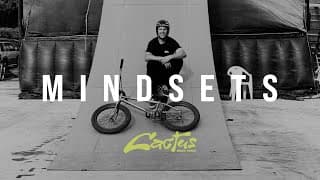
Cactus BMX Mag is an independent Australian print magazine made by the crew behind LUXBMX, a BMX shop in Brisbane. It launched in mid 2025 at a party at the shop that also marked the shop's 15th anniversary, alongside the first Cactus full-length video, "Mindsets", featuring Ryan Williams and made by Mitch Morison and Mike Vockenson. Issue 1 runs to 48 pages of long-form features, trips and rider profiles, with riders including Cody Pollard, Ryan Williams and Mir Ng. The magazine describes itself as print first, and it is one of the newer titles in the return to small-run BMX print described below.
Video magazines
Through the 1990s and 2000s, video magazines filled the gap between print and the internet. Props Video Magazine, started in 1993, released numbered issues on VHS and later DVD with contest coverage, rider bios and road trips. For many riders outside the United States, Props was the first place they saw new tricks and riders in motion.
Online era
From the mid 2000s, websites and online video replaced the monthly magazine as the main source of news. Contest results appeared within hours, and the web edit replaced the magazine interview as the way a rider announced a new sponsor or showed new tricks. See the web edit era.
Many print titles moved their brands online. Some, such as Dig, kept a print product as a collectible record. Since the late 2010s small independent print projects and zines have also returned, aimed at riders who want something physical to keep. Australia's Cactus BMX Mag, launched in 2025, is one example.
The NORA Cup, the awards night created by Ride BMX in the 1990s, is one lasting link back to magazine culture.
Legacy
Old BMX magazines are now collected and archived, and they are often the only source for early contest results, product histories and rider interviews. Many riders date their own history by the magazines they read as kids. The photographers and writers who worked on these titles set the visual language that BMX still uses.
Related
Frequently asked questions about BMX Magazines
What was the first BMX magazine?
Bicycle Motocross Action, later BMX Action, is generally credited as the first, launching in the mid 1970s in southern California. BMX Plus! followed a year or two later.
Are any BMX magazines still in print?
A few. Dig in the UK still produces print editions, now on a yearly schedule, and independent titles and zines continue around the world. Most regular monthly titles stopped printing in the 2010s.
Why were BMX magazines so important?
Before the internet, magazines were how riders learned about new tricks, products, riders and contests. A magazine cover or interview could make a rider's career, and the photos set the style for the whole sport.
Watch on the LUXBMX YouTube
A video about BMX Magazines from the LUXBMX YouTube channel.
BMX Wiki and LUXBMX share an owner. Links to the store are not paid placements and do not change what articles say. About this relationship
Related articles
Props Video Magazine
Props Video Magazine was a BMX video magazine founded in 1993 and released on VHS and DVD until about 2011, covering contests, riders, bike checks and scenes.
4 min readOrigins of BMX
BMX began in early 1970s Southern California when children raced modified Schwinn Sting-Ray bikes on dirt tracks in imitation of motocross, creating a sport.
6 min readFreestyle BMX boom of the 1980s
The 1980s freestyle boom was the decade when trick riding split from BMX racing, built its own contests, magazines, bikes and stars, then collapsed in 1989.
6 min readBMX in the 1990s
In the 1990s BMX rebuilt itself after the freestyle bust through rider-owned companies, the X Games, video magazines and the growth of street riding.
6 min readWeb edit era
The web edit era is the period from the mid 2000s when online video on YouTube, Vimeo and later Instagram replaced DVDs as the main way BMX riding was shared.
6 min readWeb edit
A web edit is a short BMX video, usually a few minutes long, posted online as the main way riders share their riding instead of a full-length film.
2 min read