BMX Part
Freecoaster Hub
A freecoaster hub is a BMX rear hub with a clutch that lets the wheel roll backwards without turning the cranks, unlike a standard cassette hub.
Updated 3 min read691 words
A freecoaster hub is a BMX rear hub that lets the wheel roll backwards while the pedals stay still. A clutch inside the hub separates the cranks from the wheel when rolling in reverse. Pedalling forward still drives the bike as normal.
What it does
On a normal cassette hub, the pawls lock when the wheel rolls backwards. The chain then pulls the cranks around with it. That is fine when you ride forward, but it gets in the way if you roll backwards (for example, rolling fakie off a ledge) because the pedals spin and can hit your feet or the ground.
A freecoaster solves this. When the wheel rolls backwards, the driver stays put and the hub shell spins freely behind it. The cranks and sprocket do not move.
How the clutch works
The driver sits on the hub with a clutch mechanism between them. The exact design differs by brand, but the idea is the same:
- Forward pedalling: the driver locks to the hub shell, like a cassette.
- Rolling forward without pedalling: the hub overruns the driver and coasts.
- Rolling backwards: the hub spins the other way and the driver stays still.
- Pedalling backwards: after a small amount of crank travel, the clutch engages and the cranks control the wheel again.
The gap before the clutch engages is called slack or the engagement gap. A bigger gap means the cranks move further before the clutch grabs. Some models let you adjust how loose or tight this feels. Check the maker's notes for your hub.
Why street riders use them
Street riders spend a lot of time rolling in reverse. They roll fakie into spots, set up for tricks and roll backwards out of landings. With a freecoaster the pedals stay put, so there is less chance of a spinning crank catching a foot or a shin.
It also helps on landings. If you land rolling backwards, the wheel can keep moving without yanking the cranks around. This is one reason freecoasters became popular in street riding.
Some riders also like the feel of a smooth, silent coast without the cassette click.
Pros and cons versus a cassette
| Point | Freecoaster | Cassette |
|---|---|---|
| Rolling backwards | Cranks stay still | Cranks turn with the wheel |
| Weight | Usually heavier | Usually lighter |
| Cost | Higher | Lower |
| Simplicity | More internal parts | Fewer parts, easy to service |
| Feel | Slack gap before engagement | Direct engagement forward |
| Best for | Street, switch riding, some park | Park, dirt, trails, race, general use |
Park and dirt riders often prefer a cassette because the weight saving and the direct feel are more useful there. Some riders also find the slack of a freecoaster annoying when sprinting or pumping.
Sizing and compatibility
Freecoasters follow the same frame standards as cassette hubs.
- Rear spacing: 110mm in most cases.
- Axle: 14mm is standard. Male and female axle versions are available.
- Driver: a 9 tooth driver is common. Other tooth counts exist for some models. Pair it with a sprocket to get your ratio.
- Spokes: 36 or 48 hole drilling to match your rims.
- Chain side: most are RHD. Check before buying if you want LHD.
- Guards: check your hub guards will fit the axle and the driver size.
How to choose
- Decide whether you roll backwards often. If not, a cassette is simpler and cheaper.
- Try a friend's freecoaster bike if you can. The slack feel is personal.
- Look for a hub with a service-friendly design and clear instructions.
- Check spare parts are available before you buy. Clutches wear out.
- Pick male or female axles to match your hub guards.
Expect to pay noticeably more than for a basic cassette hub.
Maintenance
- Clean and re-grease the clutch and bearings on a regular schedule. Follow the maker's service guide.
- Dust, water and sand are the biggest enemies. A hub that rattles or slips needs servicing.
- Follow the torque and assembly notes for your hub when you rebuild it. A badly assembled clutch can bind or slip.
- Replace worn clutch parts. Do not keep riding a hub that slips under load.
- See BMX maintenance basics for general care.
Related parts
Cassette hub, front hub, sprocket, chain and hub guards.
Frequently asked questions about Freecoaster Hub
Do I need a freecoaster for street riding?
No. Plenty of street riders use cassettes. A freecoaster is a preference. It makes backward rolling and some trick setups easier, but it takes time to get used to.
What is slack in a freecoaster?
Slack is the small amount the cranks can turn backwards before the clutch engages. Some riders like a little slack for comfort. Others prefer a tighter feel.
Are freecoasters harder to maintain than cassettes?
Usually, yes. They have more internal parts, so they need regular cleaning and greasing and cost more to repair.
Watch on the LUXBMX YouTube
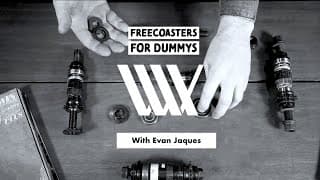
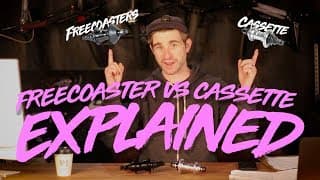
Videos about Freecoaster Hub from the LUXBMX YouTube channel.
Shop at LUXBMX
Popular picks for this article from LUXBMX, an Australian BMX store.
 BSD Revolution V1.5 Freecoaster Hub (Female Axle)View the BSD Revolution V1.5 Freecoaster Hub (Female Axle) at LUXBMX
 Odyssey Clutch Pro Rear Freecoaster HubView the Odyssey Clutch Pro Rear Freecoaster Hub at LUXBMX
 Colony Clone Freecoaster HubView the Colony Clone Freecoaster Hub at LUXBMX
Photos: LUXBMX
BMX Wiki and LUXBMX share an owner. Links to the store are not paid placements and do not change what articles say. About this relationship
Related articles
Cassette Hub
A cassette hub is a BMX rear hub whose removable driver contains a ratchet freewheel, so the wheel spins freely when the rider stops pedalling.
3 min readSprocket
A sprocket is the toothed ring on a BMX crank that drives the chain, and its tooth count sets the gear ratio when paired with the rear driver.
3 min readChain
A BMX chain is the single-speed roller chain that links the sprocket to the rear driver, carrying pedalling force from the cranks to the back wheel.
3 min readHub Guards
Hub guards are protective covers that fit over BMX axle ends and hub bodies to shield them from damage during grinds and landings.
3 min readFakie
Fakie is a BMX term and trick for riding backwards, with the bike rolling in reverse while the rider stays facing the same direction.
3 min readStreet
Street BMX is the discipline of riding urban architecture such as ledges, rails, stairs and banks, with video parts rather than contests as the main measure.
5 min read