BMX Part
Gyro Detangler
A gyro detangler is a rotating cable device at the headset that lets BMX handlebars spin freely without wrapping the rear brake cable around the frame.
Updated 3 min read711 words
A gyro detangler, often just called a gyro, is a device that sits at the headset and lets the handlebars turn through a full circle without winding the rear brake cable around the frame. It is the part that makes unlimited barspins possible on a bike with a rear brake.
What it does
On a normal bike, the brake cable runs from the lever on the bar to the brake on the frame. If you spin the bars, the cable wraps around the head tube and eventually stops the spin or tears out. A gyro splits the cable into two parts and gives each its own anchor point, so the bars can spin without the cable twisting.
How it works
- An upper cable runs from the brake lever to the top plate of the gyro. The top plate rotates with the bars.
- A lower cable runs from the gyro to the brake on the frame. It is attached to the lower plate.
- The two plates are linked so that pulling the upper cable pulls the lower cable. The lower cable housings stop at the gyro tabs on the frame, so the lower plate stays still while the upper plate turns.
When the rider spins the bars, only the upper part and the upper cable move. The lower cable and brake stay put.
Types and standards
| Style | Description | Notes |
|---|---|---|
| Plate-style gyro | Two plates and a link, mounted at the headset | The traditional design, still common |
| Rotor or modular systems | Sealed units that pivot around the steerer | Built by several makers. Check each product's fit |
| Long loop cable | One long cable that wraps and unwraps | Not a true detangler, limits spin |
Parts of a gyro setup
- Upper plate. Clamps under the stem and turns with the bars.
- Lower plate. Joined to the lower cables, which run to the gyro tabs on the frame.
- Cable stops and anchors. Hold the cable ends at each plate.
- Upper cable and lower cable. Two lengths of brake cable, with housing.
- Gyro tabs. Small frame tabs, often on the head tube. Not every frame has them.
Alternatives
- Run a long cable. The cable loops around the bar and head tube and allows part of a spin. It can snag and may restrict tricks.
- Go brakeless. Remove the rear brake and the cable. Most street and park riders choose this. See brakeless.
- Use a rear brake only for riding and remove it for tricks. This is simple but fiddly.
Sizing and compatibility
- The gyro must fit the 1 1/8 inch steerer used on most BMX forks.
- The frame needs gyro tabs. If it has none, some gyro kits include a lower plate with its own cable stops for standard external headsets.
- Check the stem clears the gyro. A very tall stem or too many spacers can cause problems.
- The cable housing and nipples must match the gyro. Most use standard brake cable.
- Check the lever and brake are suitable. Some brakes need a shorter or longer cable pull.
How to choose
- Decide if you want a rear brake. If not, you do not need a gyro.
- Check your frame for gyro tabs.
- Pick a plate-style or rotor-style gyro by looking at fit, build quality and how smooth the pivot is.
- Make sure the cables are the right length for your bars and stem.
- Weigh the extra parts and setup time against the benefit of a rear brake.
A brakes or brakeless decision is part of this. Many riders find a gyro worth it only if they ride with a brake daily.
Maintenance
- Check cables. Look for fraying where the cable bends at the gyro.
- Lubricate the pivot. A little light lube keeps the plates turning smoothly.
- Tighten the bolts. Gyro plates can work loose. Check them often.
- Keep the cable lengths right. Too short and the cable binds. Too long and it catches.
- Replace worn parts. If the gyro feels notchy or the plates rattle, service or replace it.
- Test the brake. After any adjustment, check the brake pulls and releases fully.
Related parts
- Brakes: the system the gyro serves.
- Handlebars: the bars the gyro lets spin.
- Headset: the gyro sits just above it.
- Barspin: the trick a gyro enables.
- Brakes or brakeless: a practical guide to the choice.
Frequently asked questions about Gyro Detangler
Do I need a gyro to do barspins?
No. You only need a gyro if you run a rear brake and want your bars to spin freely. Many riders go brakeless, which removes the cable and the need for a gyro.
What are gyro tabs?
They are small tabs on the frame's head tube that anchor the lower gyro cables, which keeps the lower plate of the gyro from turning with the bars. Check your frame has them before you buy a gyro.
Can I run a rear brake without a gyro?
Yes. You can use a long cable with a loop that limits spin, or you can restrict yourself to small bar turns. Neither allows full, unlimited spins.
Shop at LUXBMX
Popular picks for this article from LUXBMX, an Australian BMX store.
 Odyssey G3 Gyro KitView the Odyssey G3 Gyro Kit at LUXBMX
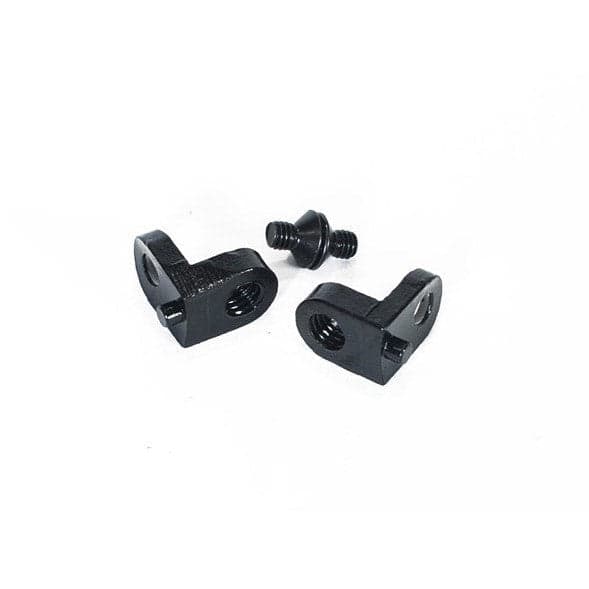 Hi-Tech Gyro TabsView the Hi-Tech Gyro Tabs at LUXBMX
Photos: LUXBMX
BMX Wiki and LUXBMX share an owner. Links to the store are not paid placements and do not change what articles say. About this relationship
Related articles
Brakes
BMX brakes are the lever, cable and brake unit that slow the bike, with the rear U-brake being the standard on freestyle bikes.
3 min readHandlebars
BMX handlebars are the tall, swept chromoly bars that steer the bike and take the rider's weight, defined by their rise, width, sweep and clamp diameter.
4 min readHeadset
A BMX headset is the bearing set inside the head tube that lets the fork and handlebars turn smoothly, and most modern bikes use an integrated 45 x 45 design.
3 min readBarspin
A barspin is a BMX trick where the rider spins the handlebars a full 360 degrees in the air, then catches them again before landing.
3 min readBrakeless
Brakeless means riding a BMX bike with no brakes fitted, a common setup in street and park riding that frees the bars to spin without cables.
2 min readBrakes or Brakeless on a BMX
Keep a brake while you learn, and go brakeless only once you can stop reliably with your feet, since the choice trades safety for simplicity and freedom.
3 min read